Search the Community
Showing results for tags 'intake temps'.
Found 1 result
-
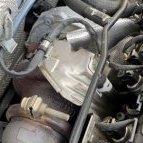
So its July, and temps are on the rise. I gave the car a quick wash this morning and then went for a brief drive, mainly because I haven't driven it for two weeks. Temps hit about 29/30 degrees again today, and when I got back from my drive, I noticed a lot of heat radiating from the car. The bonnet temps directly above the turbo were where it was warmest (too hot to touch actually). So I wanted to ask everyone's opinion on heat management and what else anyone has done to mitigate this (if it's even necessary). questions surrounding the following... 1) Turbo blankets and whether they are needed for a stage 1 car (or any stage for that matter, even stock) 2) Bonnet insulation shrinkage and if this is a common problem and easily fixable. 3) Removal/modification of the rubber seal between the engine bay and wiper assembly cover to allow more air flow/escape 4) Additional oil coolers, such as that from Racingline 5) Uprated intercooler. tackled in revere order: Number 5 is something that everyone agrees provides the benefit of reducing intake temps, no matter what stage you are remapped to. Consistently low intake temps means a happier engine that will produce more power for longer. When I had mine remapped, this was back in mid April, and early morning temps were in single digits, which will have done a fair bit to contribute to the good power figures I achieved that day. I'm pretty sure that after a 20 min track session with the ambient temps at 30 degrees, there is almost no chance of still producing 395hp, due to heat soak. So this is something I will be doing as soon as I can. Number 4, advice given is that it will help in all scenarios but that it isn't technically needed unless going to stage three, even if doing some track days. If going on track, sessions are usually kept to about 20 mins anyway, so other things like tyres/brakes may start going off before the oil temps get dangerously high. Number 3, I saw a vid on YT about someone who swapped the rubber (or simply turned it upside down) which creates a gap allowing heat to escape, further reducing engine bay temps especially around the turbo. If the car isn't being used in the wet, I see this as a potential win win scenario. Anyone else done similar? Number 2, this is something that I think is quite common, and leads to the unusually high bonnet temps. Is the simple most cost effective fix to just replace it each time it shrinks? Number 1, is somewhat controversial, in that it will reduce engine bay temps quite a bit, but at the potential risk of reducing the life of the turbo. I would be interested in what other users have experienced whether problematic or worry free. Cheers in advance for any input.